Used shipping containers in the USA: condition and delivered costs
Buying a second-hand shipping container starts with the actual unit: its grade, photos and any repairs needed. Compare 20ft and 40ft models, then request a total including sales tax, delivery and unloading to your ZIP code.
Prices: see the used-container models in the shop for specifications and request model-specific pricing. Request the full amount including delivery, unloading and applicable taxes for your ZIP code.
Good practice: ask for pricing for the same size, the same expected condition and the same delivery address.
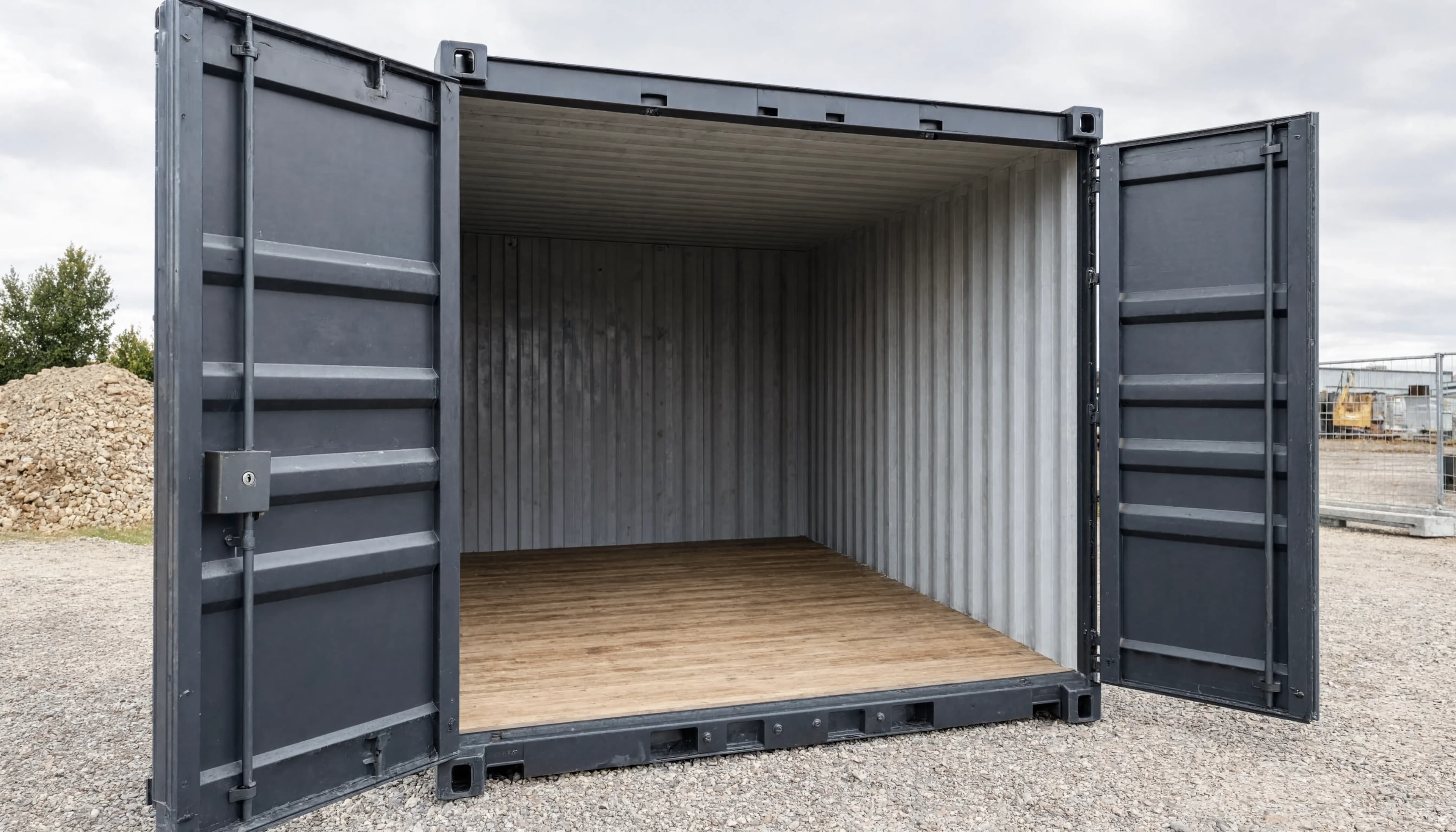
Generated illustrative image
An attractive price, but what condition?
Ask exactly what will be delivered: photos, known defects, included repairs and departure location. These details make the comparison meaningful.
Independent supplier matching service. Free for the requester.
Are you buying a specific unit or the next container from stock?
This changes what you can check before paying. Ask the seller to state the allocation method on the quote, alongside the required size and condition.
An identified container
Obtain its reference or container number, current photographs and the location where it can be inspected. Ask whether that same unit will be delivered, which defects are accepted and what repairs are included. Example images alone do not identify it.
Next off stack
The supplier allocates a unit from a defined stock category. Exact photos or a choice of color may not be available. Get the promised condition, permitted cosmetic wear, door operation, floor condition and procedure for reporting a mismatch in writing.
A short brief for comparable used-container quotes
State the format and height; storage, export or conversion use; agreed condition and allocation method; quantity; delivery ZIP code; access and lifting requirements. Ask for the equipment price, included repairs, sales tax and transport separately, with the terms covering defects and delivery.
If appearance, floor history or a later conversion is critical, resolve those points before selecting a low-priced unit. A coat of paint does not establish structural condition, and an as-is price can leave repair costs unknown.
Pricing tailored to your project in the United States
The delivered total depends on the size, condition, depot, transport, unloading and any conversion work. Our US catalog lists container specifications and indicative prices where comparable references are available. Ask for conversion and site installation to be priced separately. Request an itemized quotation showing applicable sales tax and every required charge.
What should you check before buying a used container?
A used container can still be worthwhile despite visible signs of wear. Look first at what determines its suitability: structure, watertightness, doors and floor.
1
Structure and corrosion
Have the corner castings, frame and areas with heavy corrosion checked. Scratches and dents from use are not enough to judge structural strength.
2
Roof, walls and seals
Ask for photos of the roof taken by the depot and any visible repairs. Ask for details of the watertightness check and any defects found.
3
Doors and locking mechanisms
Ask the seller to demonstrate the opening, closing and locking. Ask about the condition of the seals, hinges and locking bars.
4
The floor
Ask for clear photos of the floor, panel joints and repairs. Have any holes, weakened areas and suitability for the intended loads checked.
For your purchase, ask for written confirmation of known defects and planned repairs.
Make the inspection record useful before purchase and on receipt
Keep the order, the agreed condition and the evidence together. The purpose is to identify differences and unanswered questions, not to award a universal pass or fail from a few photographs.
Before committing
Record whether the seller is offering an identified unit or a stock category. Ask for the condition criteria, known defects, promised repairs and available history. Where actual-unit photos are unavailable, agree the evidence and discrepancy procedure for the unit that will be allocated.
Before dispatch
Where available, match the allocated reference to dated images and the repair list. Request roof and difficult-area images from the depot. Label sample images as samples; do not reuse them in the record as proof of the delivered container's condition.
At your site
After the delivery team has positioned the unit safely, record its reference, date, visible condition and any difference from the order. Keep people clear of lifting work. Do not climb onto the roof or go under a container to complete the checklist.
Evidence to record, with its limits
Check
Useful record
What it does not establish
Identity and appearance
Unit/order number; dated views of each accessible side; close-ups labelled with the location of any damage.
That example stock pictures or newly applied paint describe the actual underlying condition.
Roof, seals and weather
Seller's watertightness evidence, conditions/date, damp patches and any leak or repair reported.
A dry visit does not prove performance in rain. Visible damp may need investigation for both leaks and condensation.
Doors and floor
Demonstration after safe positioning; note locking/hinge issues, seals, floor joints, patches and the loads you propose.
A door that moves or a tidy floor surface does not establish structural capacity or suitability for heavy point loads.
Odors and history
Available previous-use, cleaning and treatment information; record unexplained stains or odors without entering a suspect unit.
Smell, a clean photograph or absent warning labels are not a safety test. Ask for competent advice if the history or condition raises concern.
Repairs and receipt
Agreed defect list, repair evidence, outstanding work, delivery differences and dated written follow-up.
A ticked checklist is not a structural survey, export approval or a decision that all contractual requirements have been met.
Describe a discrepancy precisely
An illustrative record might read: “On receipt, order reference matches; floor repair promised on the quote has not been evidenced; photo F03 shows the area. Door operation was demonstrated after positioning. Weather-tightness not checked in rain. Seller asked on the recorded date to confirm the repair and next step.” Separate observations, supplier statements and matters you could not check.
Use the agreed reporting process promptly, keep copies and ask for a written response and timescale. Record a proposed remedy as a proposal until it is completed. This page does not decide acceptance, rejection, warranty coverage or legal rights for a particular purchase.
If heavy corrosion, damaged structural parts, unexplained contamination or repairs hidden by a conversion are a concern, seek an appropriate competent assessment before relying on the unit for that use. Suspected fumigants require a hazard assessment and safe-entry procedure; opening doors or the absence of an odor does not establish safety. Assess confined-space hazards and follow the workplace rules for the jurisdiction and task. Keep uncertain checks marked unknown; repainting, an informal grade label or a low purchase price does not resolve them.
Your project record · no automatic assessment
Keep a used-container inspection and receipt record
Record what is known about this unit and what needs follow-up. This is a buyer's evidence checklist, not a structural survey, certification or an acceptance verdict.
Start with what you know; leave the rest unknown. Entries stay in this tab until you choose to copy, download or open the quote form. Refreshing clears them. Do not enter confidential or sensitive information.
Include units with your measurements: ft/in for lengths, sq ft for areas, cu ft for volumes, lb for masses and °F for temperatures. Your free-text notes keep the units you entered when the display preference changes.
Container number if allocated; otherwise the order reference and agreed condition category.
Keep a dated copy before purchase and another on receipt.
Distinguish actual-unit evidence from example stock pictures.
Include weather and any areas that could not be inspected safely.
Dry storage, sensitive goods, planned conversion or international transport; specify loads separately.
Who receives discrepancy reports, the agreed reporting process and promised repairs.
Checks and evidence to keep
Record who said what, the date and a document or photo reference. “Evidence noted” does not verify a claim; explain any “not applicable” choice.
9 checks unknown or unverified; 0 marked for follow-up. These counts do not score the project or decide whether to proceed.
Preview: notes carried into the quote form
Review this text before continuing. You can edit it in the form; opening the form does not submit a request.
The summary is added to the quote-form URL when you follow the link and may appear in browser history. Container quantity is left for you to check in that form. This tool sends no inquiry, email or supplier notification.
Wind and watertight, cargo worthy, reconditioned: what condition should you ask for?
Ask for a description of the expected outcome for your use. A grade name should be accompanied by information about the container offered and the terms of sale.
For storage
A wind and watertight used container suited to your goods
Describe the items to be stored, their weight and the access required. Ask for confirmation of wind and watertightness, working closures and the condition of the floor.
Condition to request: wind and watertight
For sea freight
A unit and documents to be checked
Tell the supplier about your export plans before requesting a quote. Ask them to confirm the documents, the container inspection and the carrier’s acceptance for the intended voyage.
Condition to request: cargo-worthy, CSC plate to be checked
Understanding condition grades and included repairs
Common terms and the details to obtain before comparing two used containers.
Wind and watertightFor storage
Refers to a wind and watertight condition. Ask how it was verified and what the supplier commits to. This wording alone does not confirm acceptance for export.
Cargo worthyFor transporting goods
Indicates suitability for carrying goods. Ask about the checks and documents available for the unit. The term does not promise a new appearance.
RefurbishedRepairs to be specified
Ask for a breakdown of the works and when they were done: paint, seals, floor, panel or structural repairs. Compare what is included.
Sold as-isDefects to inventory
Ask for a list of defects and the cost of necessary repairs. Do not assume wind and watertightness, correct operation of the doors, or suitability for your intended use.
The criteria associated with these labels can vary: ask for confirmation from the supplier you are consulting. Some quotes use English abbreviations: WWT for a wind and watertight container, CW for a cargo-worthy container.
The CSC plate and export documentsThe plate, periodic examinations and the ACEP continuous examination program.ExpandCollapse
For international transport, have the CSC plate and the container's inspection status checked. Two schemes exist: periodic examinations and the approved continuous examination program ACEP. The presence of a plate alone does not confirm the current condition of the unit.
Send a legible photo of the markings and available documents to your carrier. Confirm acceptance for the intended transport before purchase. In the United States, the Coast Guard's cargo-container regulations in 49 CFR Parts 450–453 implement the international CSC framework. Confirm the approval and examination requirements that apply to the actual container, owner and route; international transport approval does not approve static storage or a dwelling.
Where to buy a used container? Directory businesses
This selection reproduces the information published by the companies in the directory. Directory order, not a ranking; it does not guarantee stock or receipt of your request.
No listing yet describes all these criteria for this mode. You can consult the directory or specify your project in the form; the absence of a corresponding listing does not describe market stock.
Buying a used container from a private seller or a listing
For any listing, whether from a business or private seller, ask for recent photos of all four sides, the interior, floor, doors, markings and repairs. Ask whether they show the actual unit for sale or an example from stock.
Add the seller's identity, the container reference, the collection location and the written terms of sale. If the unit is allocated later, ask what condition criteria will apply to the one delivered.
Container advertised by a private seller: checks before paying
When buying from a private seller, confirm the seller's identity, their right to sell the unit, its condition and the written terms. Ask to inspect it in person where possible before committing. Include transport and unloading in your budget if they still need to be arranged. The warning signs below apply to any classified listing.
Check ownership and any liens, and obtain a written bill of sale. Consumer-contract protections can differ between a business sale and a private sale, and by state.
R1Warning signs in a private seller’s listing
Warning sign
What to check
What to ask for
No photos of the inside or the roof
The roof, walls and floor still need to be checked
Dated photos of the inside with doors closed, and of the roof
No readable container number
Missing or repainted identification makes it harder to match the unit to its records; check the seller’s right to sell separately
The full code and matching records; the check digit detects transcription errors, not ownership
CSC plate or current examination details missing
CSC concerns international container transport. Static storage still needs separate checks for siting, handling, condition and intended use
Legible plate details and applicable examination records; confirm acceptance with the carrier
Price well below market value
Check the condition, seller and omitted charges; a low price alone does not establish fraud
Verify the seller, actual unit and written terms before paying; consider an independent inspection and payment protection
Refusal to allow a viewing
Prevents you from checking the container before paying
An on-site appointment before payment
Transport “at your expense” without specified access
Clarify who arranges transport, the collection and delivery access, and who receives each payment
The collection address and an itemized written delivery agreement, whether arranged by you or the seller
For international transport, check CSC approval and current examination arrangements with the owner and carrier. US rights depend on state law, contract terms and whether the seller is a business or private person. Verify the actual seller and unit, title or authority to sell, delivery terms and payment method independently. A listing, container check digit or transport plate does not prove ownership, and a low price alone does not establish fraud.
Delivery and repairs: compare the full budget
A used container should be compared on the basis of its condition on delivery and the costs of installing it. Ask the seller to separate the following items.
The container and any workSize, agreed condition, accepted defects, included repairs and any cleaning or treatment.
Transport from the depotActual departure address, delivery ZIP code, possible date and truck access.
Unloading and installationLifting method, location, distance from the truck and preparation of the supports to be approved.
Options and conditionsExtra locking, color, fit-out, total including sales tax and mandatory charges, and delivery/unloading conditions.
Mention bends, gate width, slopes and overhead obstructions. State whether you have suitable means to unload; photos of the access help the supplier prepare their quotation.
Confirm zoning and any development or building permits with the authority for the project site before installation. Give the location, dimensions, intended use, duration, foundations and services. Requirements depend on the state or local code adoption, local ordinances and the project; a small or temporary container is not automatically exempt.
Enter the equipment charge for the entire agreed period and quantity. Ask suppliers to total weekly, four-weekly or calendar-month rental charges for the same delivery and collection dates first. This tool does not convert rental periods.
Leave an unquoted charge blank. Enter 0 only when it is confirmed as included elsewhere or not applicable. Use US dollars and up to two decimal places, without thousands separators. Each cost must use the sales tax basis selected for that quote; split or mixed tax rates need a revised inclusive total from the supplier.
Complete both costs and confirm equivalent scope to compare totals. An unknown amount is never treated as zero.
Refundable deposits are excluded from cost and are not taxed again by this tool. Check return conditions, payment dates and contingent damage or cleaning charges separately. Figures are not sent to ContainerFox and disappear when this page is closed or refreshed.
What is the price of a used 20ft or 40ft container?
Compare the used 20ft and 40ft models linked from this page. Each US shop model is available for a quotation covering the container, applicable sales tax, delivery and unloading. Request the complete delivered amount including all mandatory charges. Prices depend on size, height, condition and specification. Ask for confirmation of the actual unit, availability and a total including delivery and unloading to your ZIP code.
Does a rusty or dented used container necessarily have to be ruled out?
Signs of wear may be present on a used container. Ask the seller to distinguish their cosmetic appearance from defects affecting the structure, watertightness, doors or floor. Significant repair work or corrosion should be assessed before comparing the price.
What is the difference between a wind and watertight container and a cargo-worthy container?
'Wind and watertight' describes wind and water resistance. Suitability for storage depends on the actual unit, its inspection and the goods stored; the label does not guarantee condensation control. 'Cargo-worthy' refers to suitability for transporting goods. In both cases, ask the seller to specify the checks and documents relating to the unit; for export, ask the carrier to confirm.
Do the photos show the container I will receive?
Ask explicitly. A listing may show the actual unit for sale or an example from stock. Ask the seller to specify the reference, condition criteria, color if it matters to you, and any known defects of the container that will be delivered.
How is transport priced?
Catalog container prices exclude delivery and unloading, which must be itemized in the supplier quotation. Request a quote from the actual depot to your ZIP code, including applicable sales tax and all mandatory charges. Check separately whether any repairs are included.
Is a refurbished container like new?
Ask the seller to detail the work carried out. The term can cover various interventions: painting, replacing seals, repairing the floor or structural repairs. Compare the work included and the condition stated on delivery.
Updated on . Shop product pages describe quotation models and reference specifications. The US price guide gives dated purchase-price examples from selected US markets, with the location and price basis retained. These are not a national average or guaranteed discounts; request current stock, the actual unit specification and a delivered USD quotation from the supplier.