A compact space
20ft standard
19 ft 10.5 in · approximately 1,165.4 cu ft
Approximately 150.7 sq ft inside. Consider this if your goods and storage fit within this area.
20ft shipping container: price and dimensionsSizes · Types · Uses
Choose a shipping container around the goods you need to store, the space available and your site access. Compare standard and high-cube sizes, opening types and used conditions before preparing a delivery quote.
Ready to choose a model? Browse shipping containers for sale with catalogue CAD container prices before tax and delivery. Prices marked provisional require a written quote. Confirm availability and request the full delivered total.
ContainerFox provides its own shop offers and a separate directory of external suppliers. Directory entries and external price examples do not imply a partnership with those businesses. View the 82 companies in the directory that mention container sales.
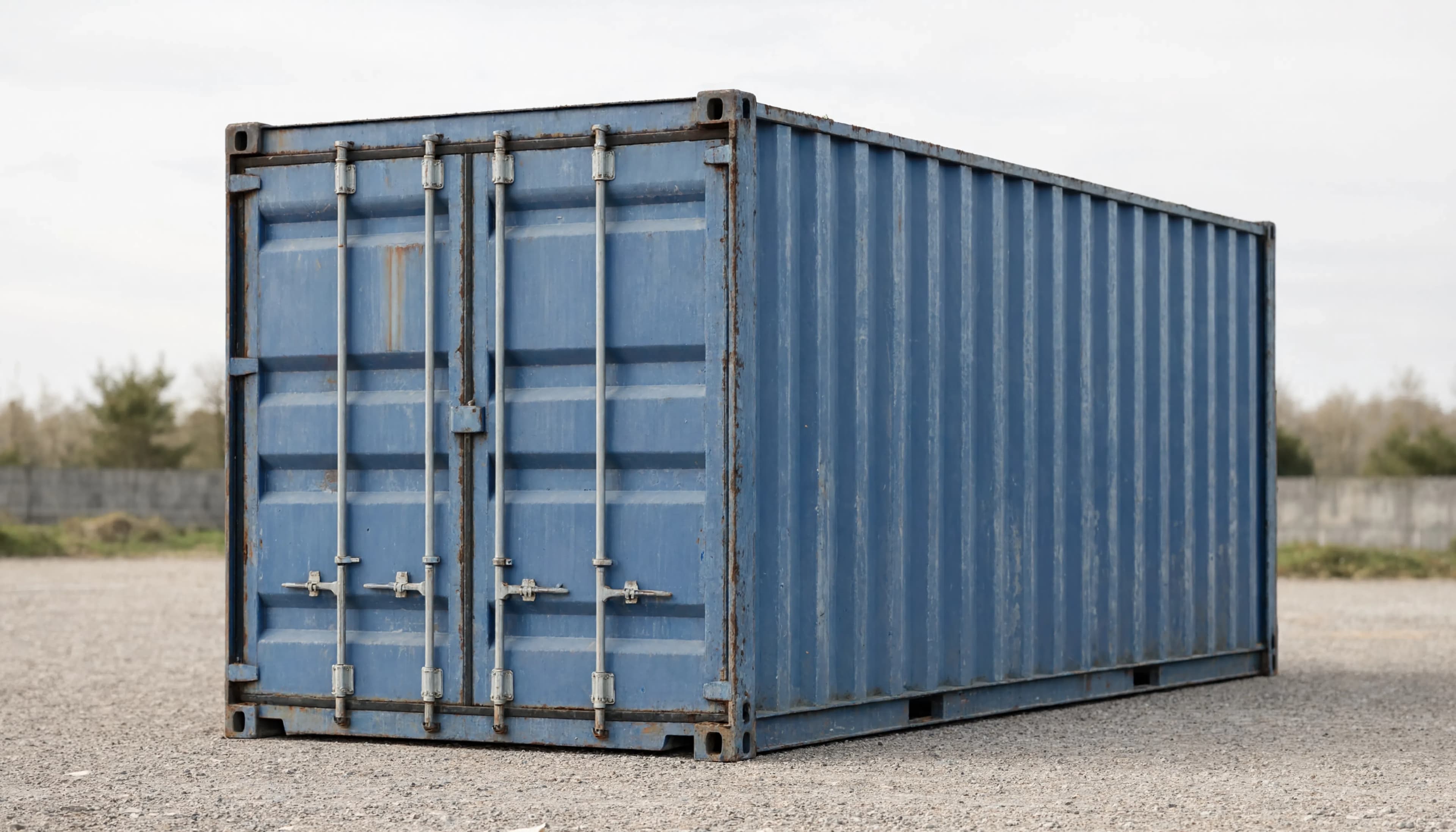
The price depends on the size, stated condition, departure depot and delivery to your address.
See dated purchase-price examples from Western Canada in our shipping container price guide. These regional examples are not a national average; separate −25% scenarios are planning calculations, not supplier offers. Catalogue models require a written CAD quote covering the equipment, applicable taxes, delivery and unloading.
Get a quote for your chosen container, including delivery and unloading at your address
Request a quote for my container with deliveryThe containerSize, condition, quantity and included equipment.
TransportDeparture depot, delivery address and site access.
OffloadingLifting method and placement at the intended location.
Compare the total including delivery, unloading and applicable sales taxes, with services itemized. Two listings at the same price can lead to different budgets for your site.
The ContainerFox directory lists 82 companies that mention selling containers, browsable by size, condition and area. A single free, no-obligation ContainerFox request then lets you request a quote for the container, its delivery and its unloading at your address.
Profiles cite official Canadian supplier websites and reviewed locations; internal listing IDs are not business registrations. Listed businesses do not automatically receive requests. Before paying, verify the seller, dispatch depot and actual unit independently.
Where to buy a shipping container: seller types and checks before you pay
Browse companies that mention container salesStart with the space required and site access. The volumes below are rounded guides; the dimensions of the proposed model should be confirmed.
A compact space
19 ft 10.5 in · approximately 1,165.4 cu ft
Approximately 150.7 sq ft inside. Consider this if your goods and storage fit within this area.
20ft shipping container: price and dimensionsA large continuous space
40 ft · approximately 2,401.4 cu ft
Approximately 301.4 sq ft inside. Useful for a large volume or long items, with delivery to be planned according to the site.
View the 40ft containerExtra height
Approximately 1 ft more
Same external length and width as the corresponding standard. Approximately 2,683.9 cu ft for the 40ft HC.
9 ft 9 in long in this reference model. A 10ft unit can suit a smaller footprint; confirm delivery access before choosing it.
Dimensions and choice of the 10ftThe High Cube adds height. Compare door clearance and remaining space after fitting out.
Choose a High Cube containerThe Open Side makes access along the length easier. Check the usable opening and clearance around the doors.
Compare side openingsMeasure your items, their packaging and your handling method. Door height is lower than the internal height on the models shown. Also allow for aisles, dunnage and racking; the stated volume is not fully available for goods.
The right choice depends on the acceptable level of wear, your needs and the delivered budget. Ask for recent photos of the unit offered.
Marked paint, dents and repairs may be present. Ask for details of watertightness, floor, doors and known defects before comparing its price.
Checks before buying usedOften marketed as new after its first journey from manufacture. Ask for confirmation of the colour, any handling marks, door operation and included equipment.
Storing equipmentDescribe the goods, their sensitivity to moisture or temperature, weight and access frequency.
Preparing an exportHave the container, its documents and acceptance by your carrier validated before purchase.
Fitting out a spaceDescribe the openings and equipment you have in mind; have the structure and any necessary works assessed.
Your postal code locates your request. Access and positioning then allow the appropriate transport and unloading method to be costed.
State the place of installation, your preferred date and your flexibility on timing.
Report gate width, bends, gradients and overhead obstructions. Send photos to the supplier when the project is assessed.
Specify where the truck can park and the distance to the final position. Ask the supplier to confirm the lifting method, supports and ground preparation.
Ask which depot the container is at. The company's head office is not necessarily the pickup point.
For an installation on your land, provide your local planning authority with the proposed location, use, dimensions and duration to check the appropriate process.
Compare your container delivered and unloaded.
Size, condition and postal code: prepare a single request to compare the container, its transport and unloading. Free and without obligation.
To explore suppliers: Browse the companies in the directory.
This information helps to check a model and its documents. It complements the choice of size and the condition inspection.
Scroll the table horizontally to compare sizes.
| Specification | 20ft DRY | 40ft DRY | 40ft HC |
|---|---|---|---|
| External length | 19 ft 10.5 in | 40 ft | 40 ft |
| External width | 8 ft | 8 ft | 8 ft |
| External height | 8 ft 6 in | 8 ft 6 in | 9 ft 6 in |
| Stated internal volume | 1,172.4 cu ft | 2,390.8 cu ft | 2,694.5 cu ft |
| Calculated internal floor area | Approximately 149.6 sq ft | Approximately 304.6 sq ft | Approximately 304.6 sq ft |
| Maximum payload | 62,016 lb | 63,382.9 lb | 63,052.2 lb |
External dimensions, volumes and payloads: values for the example models. Areas are calculated from internal dimensions. Manufacturer, model and modifications affect specifications; ask for the specification sheet of the container offered.
It combines an owner or operator code, an equipment category, a serial number and a check digit. This helps to spot data entry or transmission errors; it does not on its own prove the seller's authenticity or the condition of the unit.
The plate contains approval and identification information. For a transport project, have the documents, inspection records and unit condition checked by your carrier. The presence of a plate does not replace this check.
Canadian sales taxes and a complete delivered-quote checklist.
ReadHow to compare quotes, delivery charges and the enquiry process.
ReadCompare delivery, unloading and installation conditions at your address.
ReadPrice, dimensions and condition choices for the 20ft format.
ReadStandard or High Cube: price, capacity and preparing for delivery.
ReadCondition points, photos and documents to request from the seller.
ReadPrepare your temporary need and compare the cost with delivery and pickup.
ReadA conversion project? View conversion options.
Updated on . Dated Western Canadian purchase-price examples, planning scenarios and the delivered-quote checklist are on the Shipping container prices page. Catalogue models require a current written quote.
Check these details before comparing equipment, delivery and services.