Plan a shipment
Confirm the intended route and dates with the carrier before buying. Arrange the required condition checks and current examination evidence.
Used · Cargo-worthy · Updated on September 30, 2026
A cargo-worthy label describes the condition offered for carrying cargo. Check the actual unit, examination records and suitability for your intended use. Catalogue prices start at $2,062.50 before tax CAD, excluding delivery and unloading.
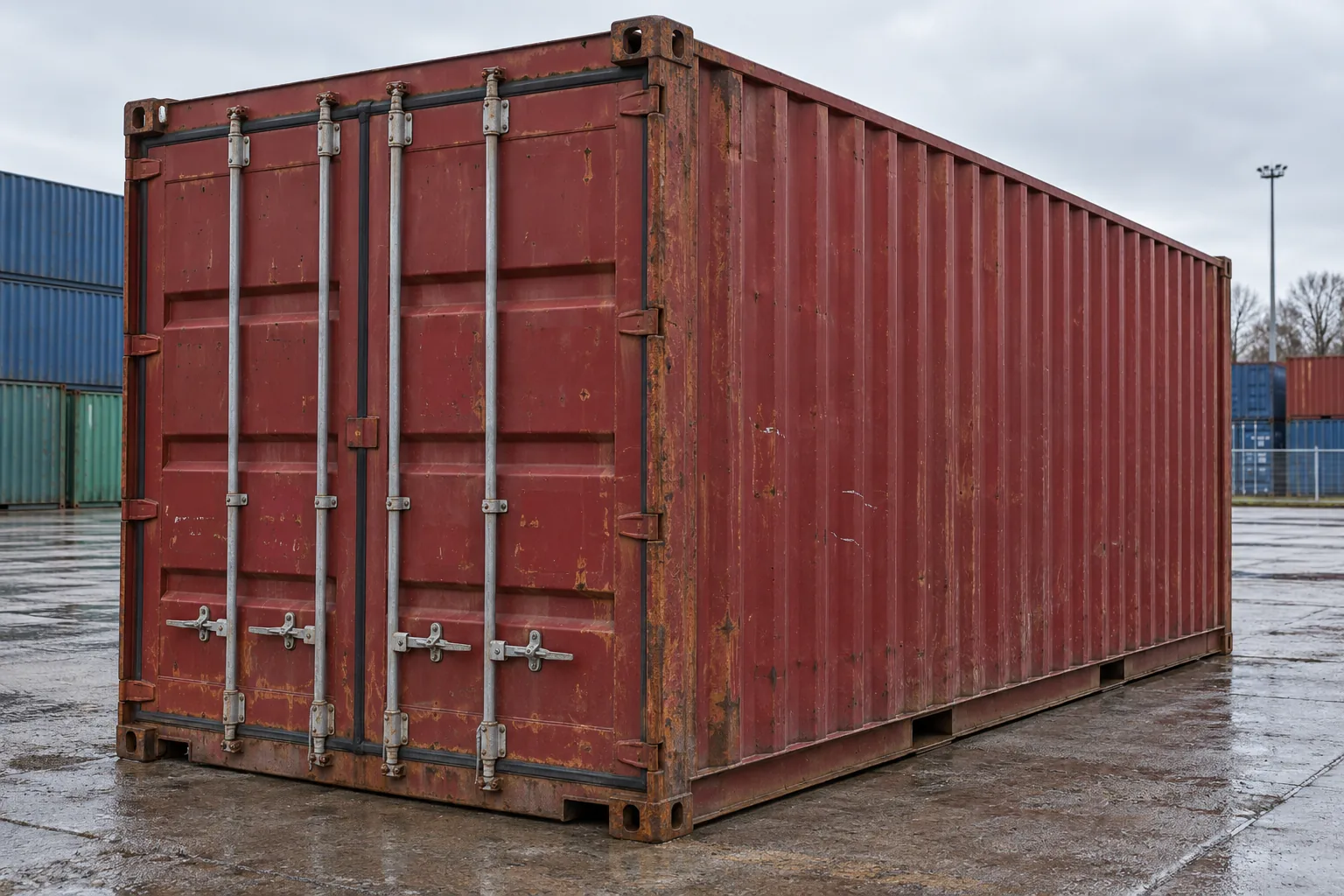
Fixed CAD container prices before sales taxes, delivery and unloading. Delivery additional, based on your postal code. Confirm availability and the delivered total from the container listing.
See also all containers for sale.
Cargo-worthy, often abbreviated CW, describes a container offered as suitable for carrying cargo. Ask the seller to define the condition in writing and identify the actual unit. The label alone does not prove its history, refurbishment, current condition or acceptance for a particular shipment.
For international transport, check the CSC Safety Approval Plate together with the applicable examination records and the carrier's requirements. There is no rule that a cargo-worthy container has only one voyage left. For storage or conversion, assess the condition and suitability for that different use separately.
| Condition | Water resistance | Checks for transport | Intended use |
|---|---|---|---|
| One-trip | Confirm the actual unit | Check CSC, examinations and carrier acceptance | Storage or projects where appearance matters |
| Cargo-worthy | Obtain the seller's written condition | Check current condition, CSC and carrier acceptance | Cargo transport or storage, subject to assessment |
| Wind and watertight | As described by the seller | This description alone does not establish transport fitness | Static storage, subject to site and condition checks |
| As-is | Not established by this label | Requires an assessment; do not assume acceptance | Only uses supported by inspection and any necessary repairs |
A seller’s condition description does not replace the evidence needed for the intended shipment or project.
Confirm the intended route and dates with the carrier before buying. Arrange the required condition checks and current examination evidence.
Check watertightness, ventilation, condensation risks and the condition needed for your goods. Cargo-worthy does not guarantee a dry indoor climate.
Have the structure, previous cargo history and proposed alterations assessed by competent designers. Planning and building requirements apply separately; sound-looking steel is not a building approval.
The IMO Convention for Safe Containers and CTU Code explain the international transport framework. Confirm the applicable approval and examination arrangements with the owner, inspector and carrier.
For a building project, see Canada planning and building checks. For unloading, see delivery and lifting arrangements.
In Canada, the Safe Containers Convention Act and its regulations implement requirements for containers used in international trade. Confirm current approval, examination and carrier acceptance for the actual unit. Static storage or conversion needs a separate site and use assessment.