An equipped mobile unit
For a moving site, specify the transport and parking conditions. Ask for details of water, energy and filling or emptying operations.
Equipped units · Mobile employee facilities modules · Project duration
Compare modular site building rental for the spaces your teams need, from mobile units to a group of static modules. Match the facilities to the workforce, then include rental charges, delivery, servicing and collection for the full project duration.
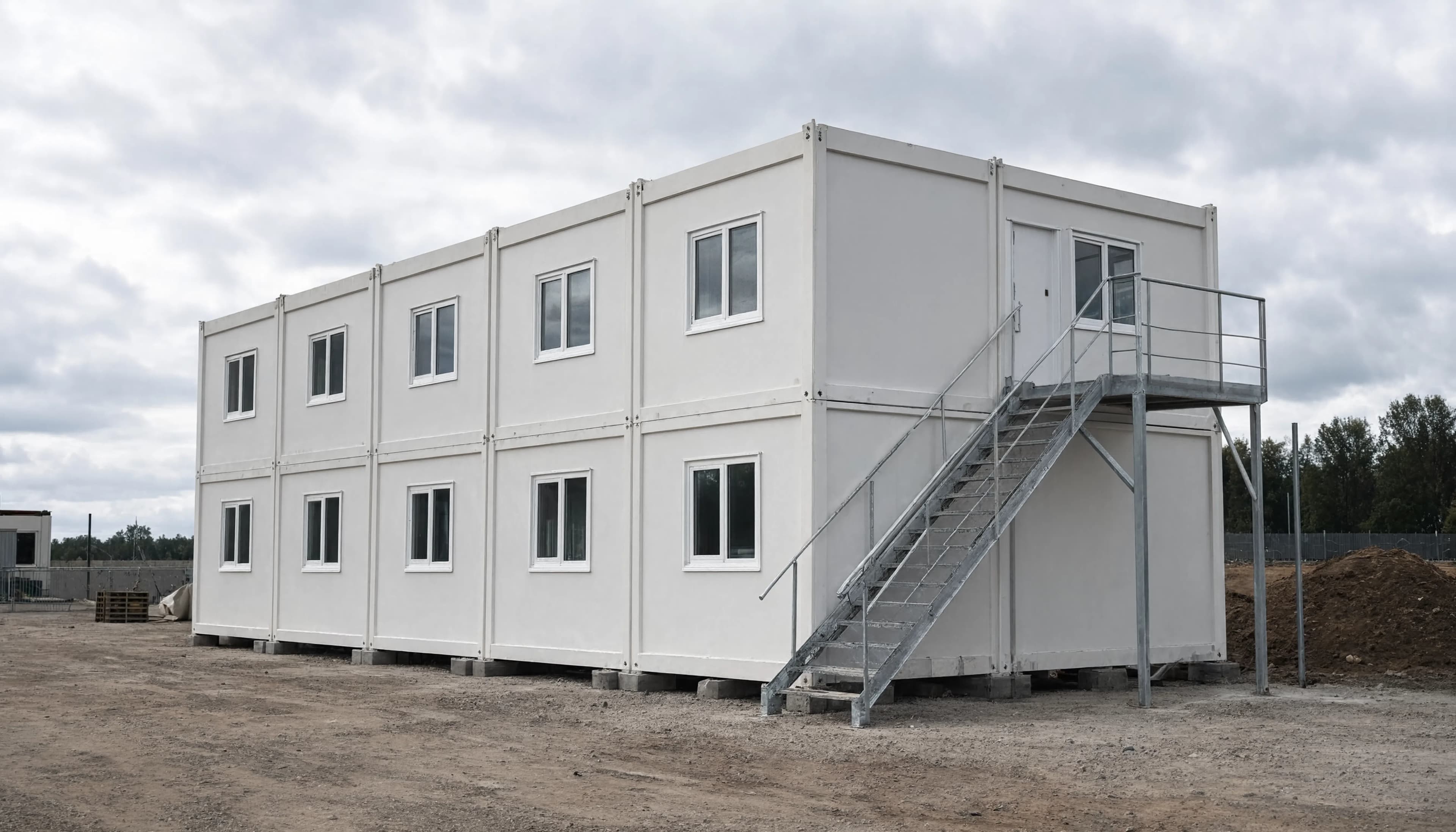
Specify the number of people on site at the same time, the intended uses and the facilities already available. The supplier will then be able to propose the layout and corresponding equipment.
For a moving site, specify the transport and parking conditions. Ask for details of water, energy and filling or emptying operations.
To combine offices, locker rooms, rest and eating areas and toilets, request the complete layout. Ask for the unloading, assembly, access and connections to be quoted.
If the site already has certain facilities, describe them. You can request an additional office or toilets depending on the need to cover.
No Australian rental sample is published on this page. Agree the facilities, dates and servicing before comparing rates; an advertised number of seats is not a full facility specification.
Specify the exact units, usable facilities, fittings and capacity for the proposed workforce and working hours.
Include delivery, unloading, supports, assembly, water and drainage arrangements, electricity and commissioning before work starts.
Price cleaning, consumables, tank emptying and water replenishment, maintenance, emergency replacement and final collection.
Ask for the charge period, GST where applicable, minimum rental, extension and notice terms, and every delivery or collection charge. Commercial rental terms do not change the requirement to provide suitable employee facilities from the start and throughout the work.
Request an itemised quotationProvide a desired delivery date and an expected end date. The rental company must specify how this period will be charged.
Ask about the minimum charge and fixed delivery and collection costs. Using the unit for just a few days may still involve a longer billing period: ask the rental company to confirm this.
Ask for the entire period to be priced using the rate corresponding to your rental length. Specify the frequency of required services, such as emptying or maintenance.
Ask for a base rental period and the price of an extension. Ensure the notice period and the procedure for confirming the new date or arranging collection are stated.
The minimum billed rental period is a commercial condition. It is separate from the duty to provide employee facilities on short projects. Ask for delivery and commissioning before work begins, and maintain provision until the work ends.
Have these points included in the quote or the rental conditions.
Have the billing start date and its link with delivery or handover stated. Confirm the minimum charge and the rule for a partial month.
Ask for the extension rate, notice period and confirmation procedure. Check whether a change in duration affects the original rate.
Have it specified who requests collection, the lead time and the date rental charges stop. Check truck access and preparation of the modules.
Have cleaning, draining, dismantling, equipment repairs and site restoration itemised. Ask about the rules for returning the security deposit and insurance conditions.
Record with the supplier the condition of the modules, furniture and equipment delivered. Keep photos, any reservations and delivery documents. At collection, have the return condition and services carried out noted.
Identify the state or territory WHS regulator and applicable approved facilities code. Victoria uses its OHS framework and has construction-specific guidance. Confirm suitable facilities before work starts and maintain them throughout the project.
Plan adequate toilets for the people using the workplace under the applicable state or territory WHS or OHS rules. Check the locally approved facilities code, building requirements and any construction-specific guidance before selecting fixture numbers.
Specify: Record peak workforce, shifts, privacy, individual needs, accessible use, safe access, lighting, handwashing and servicing. Confirm portable units and wastewater arrangements for this site.
Provide suitable washing arrangements with water, cleansing products and hygienic drying. Assess the actual work: exposure to hazardous substances or contamination may need additional washing, showers or specialist decontamination.
Specify: Describe supply, drainage, temperature, consumables and cleaning. Keep contaminated equipment and clothing away from clean facilities; agree controls for hazardous tasks with the responsible safety professional.
Plan clean eating and break facilities away from contaminants, with suitable seating, shelter and facilities for food and drink. Assess heat, cold and remote work as part of the workplace risk assessment.
Specify: Record simultaneous users, furniture, weather protection, ventilation, cleaning and any food storage or preparation needs. Maintain access while units move or are serviced.
Use the locally approved facilities and construction codes. From 1 July 2026, section 26A requires compliance with relevant approved codes or an equivalent or higher standard of health and safety.
SafeWork NSW: facilities guidanceUse the OHS Act 2004 and applicable Victorian guidance. The Facilities in construction code has exclusions for specified residential work and small, short civil works. Those exclusions do not remove the underlying duty to provide adequate facilities.
WorkSafe Victoria: facilities guidanceThe facilities Code of Practice 2021 was varied from 1 September 2026. Construction projects also have specific WHS Regulation amenities duties, including designated female toilets where required; confirm Schedule 5A and the project's workforce, cost and levels.
Workplace Health and Safety Queensland: facilities guidanceUse the WHS Act 2020 and relevant General or Mines Regulations. Shared or nearby facilities must be suitable and safely accessible when workers need them. Construction-specific guidance and wastewater approvals require separate checking.
WorkSafe WA: facilities guidanceUse the WHS Act and Regulations 2012 and locally approved facilities code. Consult workers and coordinate with other duty holders about the workforce, hazards, access, cleaning and any shared facilities.
SafeWork SA: facilities guidanceThe current facilities code took effect on 23 April 2025 under Tasmania's WHS framework. Check construction guidance as well as facilities for outdoor, remote and isolated work.
WorkSafe Tasmania: facilities guidanceThe facilities Code of Practice Approval 2025 took effect on 5 November 2025 and revoked the 2020 approval. Establish adequate and timely access under the ACT WHS framework, with construction guidance for the actual site.
WorkSafe ACT: facilities guidanceUse the WHS (National Uniform Legislation) Act and Regulations 2011. The approved facilities code was varied on 12 March 2026. Include heat, remote access, emergency arrangements and supply interruptions in the facilities plan.
NT WorkSafe: facilities guidanceModel codes apply only where adopted or approved locally; verify the applicable jurisdiction and work.
Identify the applicable WHS or OHS regulator and locally approved code. Agree duties, functioning facilities, safe access and arrangements for all crews before work starts.
Assign inspection, cleaning, consumables, tank servicing and fault response. Reassess workforce, shifts, weather and hazards. Keep the records required by local rules and the contract.
Maintain facilities while units are isolated or relocated. Plan safe utility work, transport, lawful wastewater disposal and replacement provision.
Agree who provides drinking water, changing, secure clothing storage and drying, and showers where required. If the hired unit covers only some of these needs, identify the other available facilities in the site arrangements.
A clear list of services helps you prepare the site and compare quotes.
Location and supports approved, truck access, lifting, assembly and connections. Divide the tasks between your team and the supplier.
Maintenance, cleaning, breakdown assistance, water and energy. If tanks are fitted, specify filling, emptying, access and frequency of visits.
Furniture inventoried, cleaning and emptying in accordance with the contract, disconnection and dismantling assigned to the planned contractors. Maintain the required access for collection.
Also get a quote for purchase, then add transfers, storage and maintenance. Compare both solutions based on the actual uses planned, with the same equipment.
A standard rental and a finance agreement with purchase option involve different conditions. A monthly amount alone is not enough to compare them: check duration, any deposit, services and purchase price.
Compare modular site facility rental costs and purchase budgetsDescribe the number of people, uses and working conditions. A commercial capacity or the mention 'equipped' does not by itself describe all the necessary facilities.
See benchmarks for site facilitiesDuration, workforce, equipment and site location: prepare your request to compare proposals. Free and without obligation.
Compare quotesPrepare the office layout, hire period, services and collection arrangements.
ReadCompare rental prices and all items in the quote.
ReadSpecify the workspace and the equipment required.
ReadDefine the equipment and available services.
ReadAustralian workplace guidance reviewed on 2 October 2026. The directory prepares inquiries; the rental company confirms the equipment, services, current price and contract.