Describe the actual use
List the contents, dates and number of containers. Flag power, alterations, workshop use or any overnight stay.
Get: the right use classification
Prepare your yard · Australia
Describe the intended use, location and duration before arranging delivery. Create a preparation checklist and confirm the actual approval requirements with council and the building certifier.
Planning and building requirements depend on the land, use and jurisdiction.
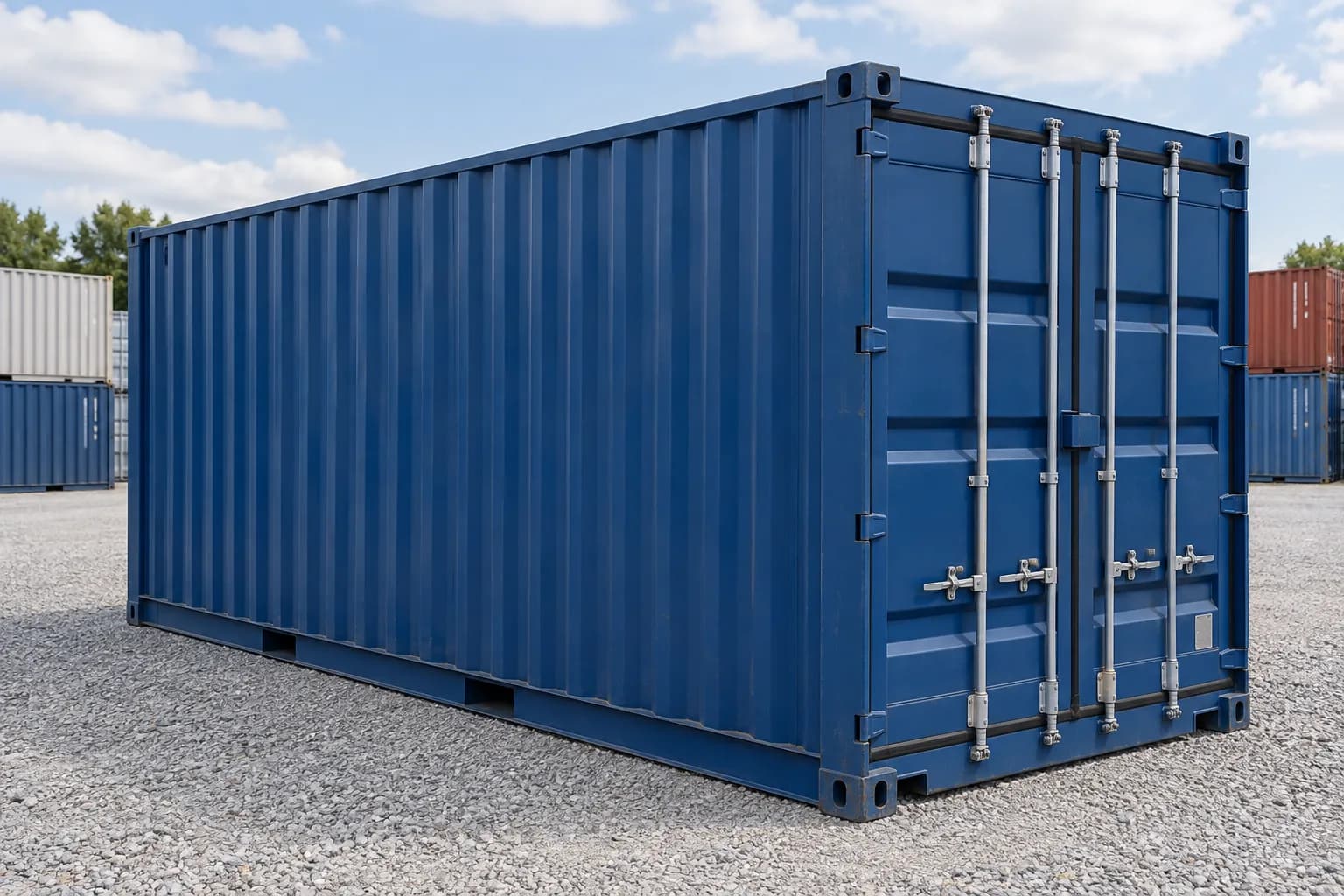
Plan the container’s position.
A plan for placement, access and removal.
AI-generated illustration · Example project
Australian project preparation
Choose your location and use to create a practical checklist. Confirm planning controls with council and building requirements with a surveyor or certifier. This tool does not determine local permission or exemption.
Your location. Your project.
Official-source research · No account neededPermits, placement and conditions — with official rules you can check.
This assisted research can identify cited guidance and gaps. Council or the territory authority and the building certifier must assess the actual land and proposal. A result does not issue approval or establish a property exemption.
Checking research availability…
Before you order
Choose where the container will go and how you will use it.
A researched result can show
Published by ContainerFox Australia.
The checklist uses your selections to organise questions and documents for an Australian project. It does not search local laws or produce a permit decision.
Describe the land and use
Confirm the council or territory authority for the land. Storage, a workplace, a home and a secondary dwelling can follow different approval paths.
Separate planning and building
Ask about the local planning scheme and the building approval process, including the NCC edition adopted for the application and site-specific hazards.
Keep the authority's decision
Use the linked official guidance and obtain project-specific advice before ordering. Record applications, conditions, inspections and completion documents.
Official guidance reviewed on 2 October 2026. Authorities can change requirements; confirm them for the actual application.
The separate assisted research tool is available only when configured. It uses government sources actually returned and cited during a research request; a suggested URL or an authorised domain alone is not a consulted source. Findings retain their evidence date and uncertainty. Neither tool issues a property approval.
The order matters
List the contents, dates and number of containers. Flag power, alterations, workshop use or any overnight stay.
Get: the right use classification
Ask planning and building staff about location, setbacks, screening, supports and any permit application.
Get: the rules for your property
Confirm the placement and required approvals before dispatch. Check truck access, unloading and removal with the carrier.
Get: a delivery-ready site
Your first project folder
Start with these details for the first enquiry. The authority will tell you whether formal drawings or additional assessments are needed.
Street address, parcel number if available, owner permission and jurisdiction.
You / property owner
Boundaries, nearby buildings, container footprint and clearances to each.
You / site planner
Length, width, total height, number of units and door opening direction.
Container supplier
What is stored, who enters, arrival date, duration and planned removal.
You
Proposed supports, surface, drainage, slope and overhead / underground services.
Supplier + site team
Gate opening, route, turns, unloading position and any street occupation.
Carrier
Your site, on one page
Illustrative sketch. It is not a survey, a required setback or an approved design.
Same box. Different proposal.
Describe the real use from day one. A storage permission does not automatically cover a workshop or a place to sleep.
List the contents, how often you enter and the removal date. Confirm placement, screening, supports and any temporary-use conditions.
Start with: planning + building staff.
State the activity, equipment, occupants and added services. Ask about classification, fire safety, exits, electrical work and ventilation.
Start with: the actual activity and alterations.
Describe the dwelling or secondary dwelling proposal. Use the residential route to review land use, finished living space, structure, services and occupation.
Next: the container-home permit guide.
State and territory code checks
Planning and building approval are separate checks. Confirm the classification, application date, adopted edition, local variations and transition eligibility for the actual proposal. These summaries do not determine an exemption or approval for the property.
Reviewed 2 October 2026: NSW currently uses NCC 2022 Amendment 2. NCC 2025 adoption is announced for 1 May 2027. Check the application date and specific transition exceptions.
Reviewed 2 October 2026: Victoria adopted NCC 2025 on 1 May 2026. Confirm Victorian variations, project transitions and the edition of each referenced standard with the surveyor.
Reviewed 2 October 2026: Queensland retains NCC 2022, with applicable amendments and Queensland requirements. Adoption of all three NCC 2025 volumes is delayed until 1 May 2027.
Reviewed 2 October 2026: WA adopted BCA 2025 on 1 May 2026 with a transition allowing earlier BCA editions for eligible applications until 30 April 2027. Ask the permit authority to confirm eligibility and exceptions; new private swimming pools have different rules.
Reviewed 2 October 2026: the BCA uses NCC 2022 Amendment 2 until 30 April 2027, with BCA 2025 planned from 1 May 2027. The Plumbing Code 2025 already applies from 1 May 2026. Check SA variations, Ministerial Building Standards and concessions.
Reviewed 2 October 2026: NCC 2022 was reinstated on 5 June 2026 after a short NCC 2025 commencement. NCC 2025 is delayed until 1 May 2027. Ask the surveyor about certificates and designs covered by Building Act transition provisions.
Reviewed 3 October 2026: NCC 2025 commenced on 1 May 2026. Until 30 April 2027, eligible projects can nominate the complete BCA 2022 or BCA 2025 with its matching ACT Appendix, without mixing editions. For development or works approval applications lodged before 1 November 2026, the BCA 2022 pathway may continue until the development approval expires. For this transition, lodged means the completeness check is finalised to ACT satisfaction and all relevant application fees are paid. Have the certifier confirm the branch for the project.
Reviewed 2 October 2026: the NT retains NCC 2022 with NT variations. Gazette S31 of 29 April 2026 prevents NCC 2025 taking effect from 1 May 2026. Confirm the applicable amendments and project requirements with the certifier.
Official guidance examples
These examples show how authorities describe their approval pathways. Read the full current guidance and confirm requirements for your own land and design.
Sunshine Coast, Queensland
Temporary placement or building use
Published guidance
Council publishes conditions for temporary containers and identifies building uses that need building approval. Describe the actual intended use and placement dates before relying on a temporary arrangement.
Check council guidance
Provide use, dates, position, access and any other approval covering the site.
Sunshine Coast Council
Discuss building use
Ask the certifier about structural and building approval requirements before conversion.
Building certifier
Western Australia
Container used as an outbuilding
Published guidance
Ask the local government to classify the intended use under the current planning scheme and any applicable R-Codes or container policy. A product sold as an outbuilding does not establish a planning exemption. Building-permit requirements remain a separate check.
Contact local government
Ask which planning category and application apply to the proposed container.
Local government planning team
Check the building permit
Confirm building approval and evidence requirements with the permit authority and surveyor.
Local government / building surveyor
Keep the project moving
Checkpoint 01
Checkpoint 02
An enquiry or a supplier’s quotation is not an issued permit. Keep the authority’s written decisions with your project records.
Quick answers
There is no nationwide answer based on size alone. Give the council or territory authority the address, dimensions, use, position and dates, then confirm any zoning or permit requirements for that property.
It may change the local review, but rental is not an automatic exemption. Give the exact start and removal dates and ask whether temporary placement has conditions, a time limit or a separate application.
Treat that as a new proposal. Work, public access, power, plumbing or sleeping can change the classification and required approvals. Confirm the new use before fitting out or occupying it.
Describe the actual support proposal to the supplier and building department. Blocks do not establish an exemption or a safe support design. Ground, drainage, loads and anchorage still need assessment.
Private restrictions and public permits are separate checks. Obtain the owner or owners corporation agreement where relevant and ask the responsible public authority about the proposed installation.